
The Complete Guide to CBD Extraction: Understanding How Premium Cannabidiol Products Are Manufactured
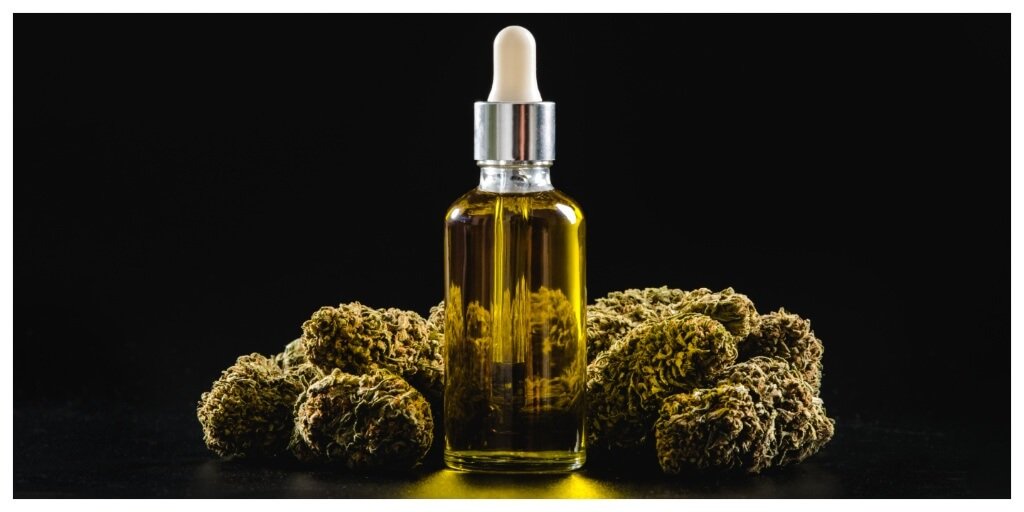
Cannabidiol, commonly abbreviated as CBD, has rapidly emerged as a transformative wellness compound featured prominently in an expansive array of consumer products, ranging from sublingual tinctures and edible supplements to advanced skincare formulations and refreshing botanical beverages. Derived from industrial hemp cultivars, this non-psychoactive phytocannabinoid shares botanical origins with tetrahydrocannabinol (THC), yet delivers an entirely distinct physiological experience devoid of intoxicating effects. CBD interfaces harmoniously with your body’s intrinsic endocannabinoid system to facilitate homeostasis, promote tranquility, support restorative processes, and maintain equilibrium, all while remaining completely lawful when sourced from federally compliant, low-THC hemp varieties.
Despite the proliferation of CBD-infused merchandise saturating today’s marketplace, one fundamental inquiry persistently surfaces among curious consumers and wellness enthusiasts alike: what manufacturing processes transform raw hemp biomass into the refined cannabidiol oil contained within premium products?
At Canna Center Dispensary, our commitment extends far beyond simply curating exceptional hemp-derived products; we immerse ourselves thoroughly in understanding the intricate botanical sciences, extraction methodologies, and quality assurance protocols that define this rapidly evolving industry. Whether you’re examining the certificate of analysis accompanying your current purchase or seeking comprehensive knowledge about the sophisticated science operating behind the scenes, this exhaustive exploration illuminates precisely how CBD undergoes extraction from hemp plant material and subsequent transformation into the therapeutic oils featured in your preferred wellness products.
Demystifying CBD: Molecular Structure and Physiological Mechanisms
Cannabidiol and tetrahydrocannabinol represent two of the most extensively researched and widely recognized phytocannabinoids present within cannabis plant species. Despite sharing an identical molecular formula (C₂₁H₃₀O₂), these compounds produce dramatically divergent physiological responses due to their distinct three-dimensional molecular configurations and receptor binding affinities. THC generates characteristic psychoactive sensations by directly binding with CB1 receptors concentrated throughout your endocannabinoid system (ECS), particularly within neural tissues. Conversely, CBD demonstrates a more nuanced, indirect interaction with this sophisticated regulatory network, modulating various receptor sites to help orchestrate homeostatic functions including stress response management, circadian rhythm regulation, inflammatory processes, and emotional equilibrium, all accomplished without producing consciousness-altering effects.
Because federally compliant industrial hemp contains negligible THC concentrations (legally mandated below 0.3% by dry weight), cannabidiol oil manufactured from these specialized cultivars remains both non-intoxicating and legally permissible throughout numerous jurisdictions worldwide.
Cultivation Foundations: Selecting Premium Hemp Genetics
The CBD extraction journey commences with meticulously cultivated, pharmaceutical-grade hemp biomass, predominantly sourced from Cannabis sativa L. subspecies that have undergone selective breeding programs designed to maximize cannabidiol content while minimizing tetrahydrocannabinol presence. These specialized cultivars undergo careful agricultural cultivation, strategic harvesting at peak cannabinoid maturity, and controlled drying procedures, frequently employing preservation techniques specifically engineered to maintain the plant’s naturally occurring cannabinoid profiles and aromatic terpene compounds intact.
The fundamental objective throughout extraction processes involves isolating CBD (alongside complementary phytochemicals) from fibrous plant matrices through methodologies that prioritize cleanliness, operational efficiency, and cannabinoid potency. Multiple extraction techniques exist within the industry, each varying substantially in sophistication, safety parameters, and final product quality.
Industry Gold Standard: Supercritical and Subcritical CO₂ Extraction Technology
Carbon dioxide extraction has established itself as the universally acknowledged premier methodology for isolating cannabidiol from hemp biomass with exceptional precision and purity. This advanced technique harnesses pressurized carbon dioxide, the identical molecular compound humans naturally exhale during respiration, to selectively extract cannabinoids, terpenes, flavonoids, and additional beneficial phytochemicals from plant material while leaving undesirable components behind.
This sophisticated approach has become the preferred extraction method among premium CBD manufacturers because it eliminates concerns regarding toxic residual solvents while simultaneously providing unprecedented control over which specific compounds undergo extraction, their relative concentrations, and overall product composition.
Understanding Supercritical Versus Subcritical CO₂ Extraction Methodologies
Carbon dioxide extraction technology encompasses two distinct operational variations, each offering unique advantages:
Subcritical CO₂ Extraction
This gentler extraction protocol operates at reduced temperatures and lower pressure thresholds. The subcritical approach proves particularly advantageous for preserving thermally sensitive botanical compounds, including delicate monoterpenes and volatile aromatic molecules that contribute significantly to the entourage effect. However, this conservative methodology typically produces comparatively modest extraction yields, requiring larger quantities of starting material to achieve equivalent cannabinoid concentrations.
Supercritical CO₂ Extraction
This represents the predominant methodology employed throughout large-scale, commercial CBD manufacturing operations. During supercritical extraction, carbon dioxide undergoes simultaneous heating and pressurization until reaching its supercritical threshold, a unique phase state wherein the substance exhibits properties of both gaseous and liquid matter concurrently. This remarkable physical state enables the supercritical CO₂ to penetrate plant cellular structures with gas-like diffusion while simultaneously dissolving target compounds with liquid-like solvency, facilitating extraordinarily efficient cannabinoid extraction.
Following the extraction phase, systematic manipulation of pressure and temperature parameters enables clean separation of gaseous CO₂ from the concentrated botanical extract. The liberated carbon dioxide undergoes recapture and recycling within closed-loop extraction systems, rendering this methodology both environmentally sustainable and economically advantageous for large-scale production facilities.
Refinement Phase One: Winterization for Lipid Removal
Once crude hemp oil undergoes initial extraction, particularly via supercritical CO₂ methodologies, the resulting concentrate inevitably contains various undesirable constituents, including plant-derived fats, waxy cuticle compounds, and lipid molecules that compromise product quality and bioavailability. Winterization addresses these contamination concerns through strategic temperature manipulation.
The crude extract undergoes thorough mixing with pharmaceutical-grade ethanol before placement in sub-zero temperature environments overnight. This deliberate freezing process causes unwanted lipophilic compounds to coagulate and precipitate from solution, forming visible particulate matter that becomes mechanically separable. Subsequently, the cloudy suspension undergoes careful filtration at maintained low temperatures, effectively removing the solidified impurities while preserving desirable cannabinoids in solution.
Following complete filtration, the ethanol solvent undergoes gentle evaporation under controlled conditions, leaving behind substantially purified CBD oil with enhanced clarity, improved taste profiles, and superior bioavailability characteristics.
Refinement Phase Two: Short Path Distillation for Cannabinoid Isolation
The subsequent purification stage employs short path distillation, a sophisticated fractional distillation technique that isolates and further refines CBD alongside other target cannabinoids to pharmaceutical-grade purity levels. This process leverages precisely controlled low-heat application combined with vacuum pressure reduction to gently volatilize individual phytochemical compounds based upon their unique boiling point temperatures.
As each distinct compound reaches its specific vaporization threshold, the gaseous molecules travel through a series of specialized borosilicate glass condensation tubes. Different compounds condense at strategically positioned collection points along this “short path,” hence the technique’s descriptive nomenclature. This meticulous separation process yields exceptionally refined, highly concentrated CBD extracts with precisely quantifiable cannabinoid content suitable for premium product formulation.
Alternative Methodology: Solvent-Based Extraction Techniques
Another widely implemented approach for cannabidiol extraction involves solvent-based methodologies, wherein raw hemp biomass undergoes immersion in chemical solvents such as food-grade ethanol, hydrocarbon solutions like butane or propane, or other organic solvents. These substances effectively dissolve cannabinoids and additional lipophilic compounds into solution, which subsequently undergoes heating to volatilize and remove the solvent carrier, theoretically leaving concentrated cannabinoid extract.
While solvent extraction offers advantages, including reduced equipment costs and accelerated processing timelines, this approach simultaneously introduces significant quality concerns. Potential drawbacks include residual solvent contamination in finished products, diminished overall purity, and inadvertent extraction of chlorophyll pigments that impart unpleasant bitter flavors and may trigger digestive discomfort in sensitive individuals. Solvent-based extraction remains prevalent throughout the industry, particularly among budget-conscious manufacturers, though it rarely achieves the cleanliness and safety standards associated with CO₂ methodologies.
Traditional Approach: Olive Oil Infusion Extraction
Among the most ancient and accessible cannabidiol extraction techniques, olive oil infusion represents a time-honored methodology particularly favored by home enthusiasts and small-batch artisanal producers due to its simplicity and elimination of hazardous chemical requirements.
The typical olive oil extraction protocol follows these fundamental steps:
- Raw hemp biomass undergoes decarboxylation, a controlled heating process that converts inactive cannabinoid acid precursors (like CBDA) into their active forms (CBD) through thermal energy application
- The activated plant material then combines with high-quality olive oil carrier
- This mixture undergoes gentle, prolonged heating to facilitate cannabinoid migration from plant tissues into the lipophilic oil medium
While this traditional method offers unquestionable safety advantages and requires minimal specialized equipment, it produces relatively low-potency extracts with limited cannabinoid concentrations. Additionally, olive oil-based CBD preparations exhibit shortened shelf stability compared to products manufactured through advanced extraction technologies, as the carrier oil remains susceptible to oxidative rancidity over time.
Innovative DIY Method: Dry Ice Extraction for Trichome Isolation
Dry ice extraction represents another solvent-free methodology accessible to home extractors and small-scale producers. This technique focuses on mechanically separating CBD-rich trichomes, the microscopic resinous glands coating hemp flowers, through strategic application of extreme cold temperatures provided by solid carbon dioxide (dry ice).
The fundamental process involves:
- Combining dried hemp flowers with dry ice chunks to rapidly freeze plant material
- Vigorously agitating this frozen mixture over progressively finer mesh screens
- Collecting the trichome heads that break free and fall through the screening material
This approach eliminates chemical solvent concerns while yielding relatively clean cannabinoid-rich kief or hash. However, dry ice extraction offers limited control over final product consistency, cannabinoid concentration standardization, and overall quality parameters. Nevertheless, for DIY enthusiasts seeking cleaner alternatives to chemical solvents and more potent results than olive oil infusions, dry ice extraction presents a viable middle-ground option.
Critical Quality Assurance: Third-Party Laboratory Testing Protocols
Following CBD oil extraction and refinement completion, comprehensive analytical testing represents an absolutely non-negotiable requirement, not merely a recommended best practice. Reputable manufacturers invariably submit their cannabidiol products to independent, accredited third-party laboratories for exhaustive analysis confirming cannabinoid concentration accuracy, screening for residual solvent contamination, and detecting potential adulterants, including heavy metals, pesticide residues, microbial contaminants, and mycotoxins.
This rigorous testing phase proves crucial for ensuring consumer safety, regulatory compliance, and product transparency. At Canna Center Dispensary, our curation philosophy exclusively features and recommends CBD products that satisfy stringent testing standards and provide readily accessible certificates of analysis (COAs), ensuring you possess complete knowledge regarding every substance entering your body and contributing to your wellness regimen.
Why Extraction Methodology Profoundly Impacts CBD Product Selection
With countless CBD-infused products flooding today’s marketplace, consumers might reasonably assume functional equivalence across offerings, yet the extraction methodology employed during manufacturing exerts profound influence over final product quality, safety profiles, and therapeutic effectiveness.
Each extraction technique leaves distinctive signatures upon finished products. For instance, CO₂-extracted cannabidiol typically commands premium pricing, though this cost differential reflects genuine value propositions. These products deliver superior cleanliness, enhanced potency, and a complete absence of potentially harmful chemical solvents that might persist in your wellness oil. When our team at Red Eye Monkey evaluates prospective products for our curated collection, CO₂ extraction methodology consistently ranks among the primary positive indicators we prioritize.
Conversely, solvent-extracted CBD may offer attractive price points, but these savings frequently accompany elevated risk profiles. Residual hydrocarbon or alcohol contamination, excessive chlorophyll content producing harsh flavors, and inconsistent cannabinoid concentrations can collectively compromise both user experience quality and, in certain scenarios, consumer health outcomes. When product manufacturers fail to transparently disclose their extraction methodologies, this omission should raise immediate red flags for discerning consumers.
Additionally, the distinction between full-spectrum, broad-spectrum, and isolate formulations merits careful consideration. Full-spectrum products preserve comprehensive cannabinoid and terpene profiles through careful extraction protocols designed to maintain their natural synergistic balance, potentially facilitating the “entourage effect”, a theoretical phenomenon wherein multiple cannabis compounds work cooperatively to enhance overall therapeutic benefits. Conversely, isolate products undergo aggressive refinement processes that strip away all compounds except pure crystalline CBD molecules.
The fundamental takeaway: extraction methodology transcends mere technical specification; it represents a critical determinant of product efficacy, safety, and value. Whether you’re purchasing sublingual oils, edible gummies, or topical applications, understanding the extraction provenance of the CBD within these products empowers informed consumer decisions.
This philosophy drives Canna Center Dispensary’s unwavering focus on cannabidiol products manufactured through clean methodologies, validated through rigorous testing protocols, and delivering genuinely beneficial wellness experiences, because your body unquestionably deserves superior quality over questionable mystery oils of dubious origin.
Conclusion: Empowered Consumers Make Better CBD Choices
Understanding the intricate journey from hemp cultivation through sophisticated extraction processes to finished CBD products fundamentally transforms how consumers approach this burgeoning wellness category. The extraction methodology employed doesn’t simply represent a behind-the-scenes manufacturing detail; it directly determines the purity, potency, safety, and ultimate effectiveness of the cannabidiol oil you’re introducing into your daily wellness routine.
As the CBD industry continues its rapid evolution and maturation, consumer education remains paramount. Armed with comprehensive knowledge about CO₂ extraction superiority, the importance of winterization and distillation refinement, the limitations of solvent-based approaches, and the critical role of third-party laboratory verification, you’re now equipped to make discerning purchasing decisions that prioritize quality, transparency, and genuine therapeutic value.
At Canna Center Dispensary, we remain committed to elevating industry standards by exclusively featuring products that meet our rigorous quality benchmarks, because we believe every consumer deserves access to clean, effective, properly tested CBD products manufactured with integrity and scientific precision. Your wellness journey deserves nothing less than excellence at every step, from seed to final product.