
How to Cultivate Cannabis in 5 Straightforward Steps: Comprehensive Beginner’s Guide
Are you eager to discover the art of cannabis cultivation? Excellent decision! Cultivating your own marijuana can be an exceptionally fulfilling and gratifying endeavor. Whether your motivation stems from financial savings, desiring greater autonomy over your consumption choices, or simply harboring a passion for horticultural pursuits, there’s something profoundly satisfying about witnessing your plants transform from diminutive seedlings into mature, flourishing specimens adorned with beautiful flowers.
This comprehensive beginner’s guide will navigate you through the fundamental principles and demonstrate how to cultivate cannabis in five straightforward steps. We’ll encompass everything essential to your success, from selecting the optimal strain to harvesting and properly curing your buds. By the conclusion of this guide, you’ll possess a robust foundation to commence your personal cannabis cultivation journey with Canna Center Dispensary as your trusted resource.
How to Cultivate Cannabis in 5 Straightforward Steps
Understanding The Fundamental Principles Of Cannabis Growth
The Cannabis Life Cycle Explained
Germination represents the genesis point for all cannabis plants. It’s the transformative process where dormant seeds awaken to life, initiating the cannabis life cycle. Following successful germination, the plant progresses through distinct developmental phases: the seedling stage, vegetative growth stage, and ultimately, the flowering and harvest stages.
The majority of cannabis cultivators gravitate toward indoor cultivation because it provides comprehensive control over climatic conditions and enables effective pest management. Indoor configurations shield plants from external environmental threats and facilitate year-round cultivation cycles. However, outdoor cultivation possesses its own distinctive advantages, including complementary, natural sunlight and organic airflow, despite exposing plants to potential pest infestations and disease vulnerabilities.
Comprehending these foundational concepts as a novice cultivator will empower you to make more informed decisions for successfully growing cannabis with guidance from Canna Center Dispensary.
Seeds Versus Clones: Making The Right Choice
Understanding Your Starting Point Options
Selecting between seeds and clones constitutes one of the initial critical decisions you’ll encounter when embarking on your cannabis cultivation journey. Both options present unique advantages and disadvantages, so let’s examine them comprehensively.
Seeds: Genetic Diversity And Potential
Cultivating from seeds enjoys widespread popularity because they deliver genetic diversity and variation. Each plant grown from seed can exhibit distinctive characteristics, including different flavor profiles, aromatic compounds, and psychoactive effects. This variability can be particularly enjoyable if you appreciate experimenting with various strains and discovering unique phenotypes. However, seeds require extended maturation periods.
You must wait for seeds to germinate, which can take anywhere from several days to a full week, followed by several additional weeks for seedlings to develop adequately. Furthermore, not all seeds successfully germinate, and some may develop into male plants, which require removal since they don’t produce consumable buds and can pollinate female plants.
Clones: Consistency And Accelerated Growth
Clones, conversely, prioritize consistency and expedited growth. A clone is essentially a cutting extracted from a mature female plant, rendering it genetically identical to the mother plant. This guarantees you know precisely what characteristics you’re obtaining regarding growth patterns, potency levels, and flavor profiles.
Clones also mature more rapidly because they bypass the germination and seedling stages entirely, transitioning directly into the vegetative stage. However, clones can potentially harbor pests and diseases from the mother plant, making it imperative to source them from reputable, trustworthy suppliers like Canna Center Dispensary.
The Hybrid Advantage
Whether you select seeds or clones, consider the substantial benefits of cannabis hybrids. Hybrids ingeniously combine traits from both Indica and Sativa strains, delivering a balanced amalgamation of effects and growth characteristics.
Seeds offer genetic diversity and the opportunity to discover unique plant expressions. If you prioritize a quicker harvest timeline and consistent, predictable results, clones represent a solid choice. Simply ensure you’re acquiring healthy, disease-free clones from reliable sources.
Critical Factors For Successful Marijuana Cultivation
Essential Growing Elements
Successfully cultivating marijuana plants demands meticulous attention to essential factors, including lighting, irrigation, and soil quality. Let’s explore each element in comprehensive detail.
Light: The Energy Source For Growth
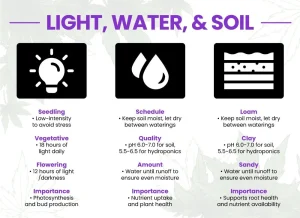
Illumination is extraordinarily important for your plants throughout every developmental stage. When they’re seedlings, they require low-intensity light exposure to prevent stress and photodamage. During the vegetative stage, provide them with 18 hours of light daily to replicate extended summer days and encourage vigorous growth and robust structural development.
When plants transition to flowering,they switch to 12 hours of light and 12 hours of complete darkness to simulate autumn conditions, which triggers bud production. Maintain the light schedule with unwavering consistency for optimal flowering results. If you’re cultivating indoors, ensure your grow lights aren’t positioned excessively close to prevent heat stress and light burn. Adjust light positioning progressively as your plants develop and increase in height.
Water: The Lifeblood Of Your Plants
Irrigating your plants correctly is absolutely crucial for healthy development. Maintain soil moisture levels, but allow the medium to dry somewhat between watering sessions to prevent root rot and oxygen deprivation. Utilize clean, filtered water and target a pH range of 6.0 to 7.0 for soil-based cultivation and 5.5 to 6.5 for hydroponic systems.
Overwatering can precipitate severe root complications, so consistently assess soil moisture before watering again. In soil-based systems, water until you observe slight runoff to ensure uniform moisture distribution. In hydroponic systems, maintain water oxygenation and circulation to deliver nutrients directly to root systems. Regularly monitor and adjust parameters to keep your plants thriving and vigorous.
Soil And Growing Medium: The Foundation
Different soil compositions can significantly impact marijuana growth patterns:
Loam: Loam is ideal for cannabis cultivation because it’s a perfectly balanced mixture of sand, silt, and clay particles. It drains efficiently while retaining essential nutrients, helping your plants receive optimal amounts of water and nutritional elements.
Clay Soil: Clay soil retains water exceptionally well, which can be advantageous during drought periods. However, it can also cause root rot if it remains excessively saturated, requiring careful irrigation management to prevent overwatering.
Sandy Soil: Sandy soil drains extremely rapidly, which helps prevent root rot and waterlogging. However, it doesn’t retain nutrients effectively, necessitating regular fertilizer applications to maintain plant health and vigor.
To enhance your soil quality, incorporate perlite for improved drainage and aeration, and add compost for supplementary nutrients and beneficial microorganisms. Hydroponic systems also represent an excellent alternative, providing precise control over nutrient delivery and water management.
Advanced Cultivation Techniques From Canna Center Dispensary
Proven Methods For Maximum Yields
What are some of the most effective cultivation techniques you can implement to grow cannabis successfully? Throughout the years, experienced growers have developed numerous exceptional methods to maximize plant productivity. Here’s how to cultivate marijuana plants properly using premier cultivation techniques recommended by Canna Center Dispensary:
Drying And Curing: Preserving Quality
To extract the optimal flavor profile from your cannabis, proper drying is essential. Maintain environmental temperature between 60-70°F and humidity levels at 50-60%. This carefully controlled environment helps preserve flavor compounds and cannabinoid potency. Once adequately dried, place the buds in airtight glass jars for several weeks to cure them properly.
Slow curing in a cool, dark environment significantly improves the quality, potency, and smoothness of your cannabis. Remember to burp the jars regularly, opening them briefly to release accumulated moisture and replenish oxygen.
Container Selection: Room To Grow
Choosing appropriate containers for your cannabis plants is crucial for promoting healthy root development. Breathable fabric containers are exceptional because they facilitate air pruning, which prevents roots from circling and becoming root-bound.
Initiate your seedlings in smaller containers and transplant them to progressively larger pots as they mature. This provides roots with adequate space and supports vigorous, healthy growth. Selecting the proper pot size at each developmental stage is paramount for success.
Hydroponic Setups: Advanced Growing Systems
Hydroponic systems can be transformative for cannabis cultivation. A fundamental setup includes a reservoir, specialized grow lights, air pumps, and precisely formulated nutrient solutions. Hydroponics can facilitate accelerated growth rates and substantially higher yields compared to traditional soil cultivation.
If you’re new to hydroponics, commence with a straightforward setup. Continuously monitor pH levels and adjust nutrient concentrations regularly. This methodology also significantly reduces pest and disease risks, maintaining healthier plants overall.
Types Of Hydroponic Systems
There are several hydroponic system variations you can utilize to cultivate cannabis:
Deep Water Culture (DWC): With this system, plant roots are suspended in an oxygenated, nutrient-rich water solution. An air pump provides continuous oxygen to the roots, promoting exceptionally rapid growth. DWC is straightforward to establish and ideal for beginners.
Nutrient Film Technique (NFT): NFT involves a thin film of nutrient solution flowing continuously over the roots, which are supported by a gently sloping channel. The roots absorb nutrients from the flowing film while excess solution is recirculated. This system is highly efficient and conserves water resources.
Drip System: A drip system delivers nutrient solution directly to the base of each plant through a network of tubes and precision emitters. It allows meticulous control of nutrient delivery and is versatile for different plant sizes and developmental stages.
Ebb And Flow (Flood And Drain): This system periodically floods the grow tray with nutrient solution and subsequently drains it back into the reservoir. The cyclical process provides nutrients and oxygen to the roots, promoting robust, healthy growth.
Aeroponics: In aeroponic systems, plant roots are suspended in air and periodically misted with a nutrient solution. This method ensures maximum oxygen exposure to roots and can result in exceptionally rapid growth and impressive yields. However, it requires more intensive maintenance and monitoring.
Wick System: A wick system represents one of the simplest hydroponic configurations. Nutrients are drawn upward from the reservoir to the plants through absorbent wicks. This system is easy to establish and cost-effective, but may not provide sufficient nutrients for larger, mature plants.
How To Cultivate Cannabis In 5 Straightforward Steps
Your Complete Growing Roadmap
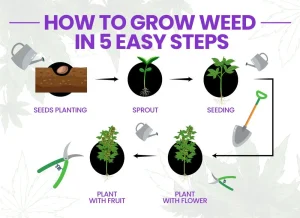
Now that we’ve comprehensively covered the foundational principles, let’s discuss how to grow cannabis step-by-step with Canna Center Dispensary:
Step 1: Understand The Legal Restrictions And Regulations
Is it legal to cultivate cannabis at home in your jurisdiction? Whenever you’re growing cannabis, it’s absolutely vital to remain compliant with applicable laws. Commence by thoroughly researching local regulations in your area to determine if it’s legal to cultivate cannabis plants.
For example, in Washington, D.C., adults can legally cultivate up to six cannabis plants at home, with no more than three being mature flowering plants at any given time. This allows individuals to cultivate their own supply for personal consumption without facing legal consequences, provided they adhere to the plant limit restrictions.
However, selling the plants or cannabis products remains illegal in the District. Understanding applicable laws helps you avoid legal complications and ensures you’re cultivating responsibly. It’s important to maintain your cannabis operation private and secure, especially in households with minors present.
Step 2: Choose The Right Strain For Your Needs
Selecting the appropriate strain is fundamental to a successful cultivation process. You’ll need to decide between seeds and clones based on your specific circumstances. Seeds offer a wide genetic variety, which means you can experiment with different strains to discover what performs best for your situation. Clones, conversely, are cuttings from a mature plant and will be genetically identical to the parent plant.
This can be an excellent option if you desire consistent quality and accelerated growth timelines. When choosing a strain, carefully consider your growing environment. Some strains are better suited for indoor cultivation, while others flourish outdoors.
If you’re cultivating in a location where the climate can be humid and variable, you might want to select strains that demonstrate resistance to mold and pest infestations. Beginners might find it easier to commence with clones because they bypass the germination stage and begin growing more quickly. But if you’re looking to experiment with different varieties, seeds provide a broader selection. Canna Center Dispensary can provide expert guidance on strain selection for your specific needs.
Step 3: Set Up Your Growing Space Properly
Establishing your growing space is a crucial step in learning how to cultivate marijuana successfully. First, determine if you’re growing indoors or outdoors. Indoor cultivation allows you to control conditions like lighting, temperature, and humidity precisely, while outdoor growing depends more heavily on natural climatic conditions.
For indoor cultivation, gather essential supplies to grow cannabis plants properly, including LED or HID lamps for illumination, fans for ventilation and air circulation, carbon filters to manage odors discreetly, and a growing medium like soil or a hydroponic system. Ensure you have sufficient space for your plants to develop without becoming cramped or competing for resources.
Proper preparation is paramount, so acquire all your supplies and set up your space before you commence planting. This ensures your plants have the optimal possible environment to thrive from day one.
Step 4: Nurture Your Plants Throughout Their Life Cycle
Caring for your plants involves consistency and meticulous attention to detail. Water your plants regularly, but allow the soil to dry moderately between watering sessions to avoid root rot and anaerobic conditions. Overwatering and underwatering can both be detrimental, so establish a balanced approach.
During the vegetative stage, your plants require more nitrogen for leaf and stem development, and in the flowering stage, transition to nutrients higher in phosphorus and potassium to support bud formation.
Light exposure is also crucial: during the vegetative stage, provide 18 hours of light and 6 hours of darkness, then switch to 12 hours of light and 12 hours of darkness during the flowering stage to trigger and maintain flowering. By utilizing the right supplies and following these steps, your cannabis will develop into healthy, productive marijuana plants.
Step 5: Harvesting Your Cannabis Crop
The final step in cultivating cannabis is harvesting at the optimal time. Timing is absolutely everything here. Carefully observe the trichomes, the tiny, crystalline structures on the buds. They should transition from clear to milky white or amber coloration, indicating the ideal time to harvest for your desired effects.
After cutting, meticulously trim the buds and hang them upside down in a controlled environment with adequate airflow. Maintain stable temperature and humidity levels to ensure proper drying without mold development.
Once the buds are sufficiently dried, place them in airtight glass jars and store them in a cool, dark location to prevent degradation. Burp the jars regularly by opening them for a few minutes each day to release accumulated moisture and improve quality through the curing process. Harvesting correctly is crucial for preserving the potency and flavor profile of your cannabis.
How to Cultivate Cannabis in 5 Straightforward Steps
With the proper techniques and equipment recommended by Canna Center Dispensary, you’ll protect the quality of your buds from start to finish.
Enjoying Your Harvest
After all the dedicated work, it’s finally time to enjoy your harvest. Properly cured buds will offer a smooth, flavorful smoking experience, making all your efforts worthwhile. Light up, relax, and appreciate the fruits of your labor.
And if you are licensed to sell cannabis, it’s important to use proper measurements. Cannabis is typically sold by weight, with common measurements being grams, eighths (3.5 grams), quarters (7 grams), halves (14 grams), and ounces (28 grams). Use a precise digital scale to measure your cannabis accurately. Properly weighed and packaged cannabis not only appears professional but also ensures customer satisfaction and compliance with regulations.
Outdoor Growing Considerations And Best Practices
Mastering Outdoor Cannabis Cultivation
Growing cannabis outdoors is an entirely different endeavor. You must contend with weather patterns, maintain privacy and security, and select the optimal location to plant. Addressing these considerations helps your plants remain healthy and productive throughout the growing season.
Wind And Weather Considerations
Establishing adequate airflow is essential when cultivating cannabis outdoors. It helps prevent mold development and strengthens your plants’ structural integrity. However, be vigilant about severe weather conditions, as they can significantly damage your plants.
To protect your young plants, consider establishing windbreaks. This could include anything from fencing to strategically positioned shrubs and trees surrounding your garden area.
If you’re concerned about heavy rainfall or intense sun exposure, a greenhouse or protective canopy can be invaluable. These shelters protect your plants from extreme weather while still permitting adequate ventilation. The proper setup means your plants receive abundant fresh air without detrimental elements, resulting in a healthier, more productive garden.
Privacy And Security Measures
Maintaining your outdoor cannabis cultivation discreetly is essential for both privacy and safety. You don’t want your plants visible to everyone passing by.
Install fencing, plant tall shrubs, or utilize camouflage netting to keep things inconspicuous. Make sure to verify local laws as well. Understanding what’s legal in your jurisdiction can prevent significant problems.
Each location has its own regulations about cultivating cannabis outdoors, so conduct thorough research on how to legally grow marijuana plants where you reside. Remaining compliant with the law not only keeps you out of trouble but also helps protect your plants. A secure, legal setup is the optimal way to ensure a successful harvest. Canna Center Dispensary recommends always prioritizing legal compliance and security.
Choosing Suitable Outdoor Grow Spaces
Selecting the right location to cultivate your cannabis outdoors will definitely increase your output. Different spaces come with their own unique benefits, whether you’re utilizing a garden, balcony, or rooftop.
Gardens: If you have access to a garden, you’re fortunate. Gardens offer abundant space for your plants to spread out and thrive. The natural environment helps your cannabis plants grow large and healthy with minimal intervention.
Balconies and Rooftops: Urban growers, don’t worry, you can still cultivate exceptional cannabis! Balconies and rooftops can be excellent locations to plant. Just be mindful of space limitations. Ensure your plants aren’t shading each other and avoid overcrowding. Give each plant sufficient room to breathe and receive adequate light.
Sunlight: Wherever you decide to grow, sunlight is paramount. Position your plants where they can receive direct sunlight throughout the entire day. If possible, use reflective surfaces nearby to redirect additional light onto your plants, helping them grow even more vigorously.
Soil Selection And Preparation Techniques
Optimizing your soil is extraordinarily important for successful cannabis cultivation. Below, we’ve outlined some practices you can implement to get this right:
Start with a Soil Test: Analyze the pH and nutrient levels of your soil. This will help you understand what your soil needs to be perfect for growing cannabis.
Enhance with Organic Material: Add compost and other organic materials to your soil to boost its quality. You want well-drained soil that’s rich with nutrients. This type of soil helps marijuana plants grow strong and healthy.
Maintain Airy and Moist Soil: Ensure the soil remains airy and retains moisture without becoming waterlogged. A proper balance is crucial for roots to breathe and absorb water properly.
Additions to Improve Soil Quality: Use compost and perlite to enhance your soil. Compost adds nutrients and beneficial microorganisms, while perlite helps with drainage and aeration. These additions ensure your plants get everything they need from the soil.
By establishing the right growing space and preparing your soil properly, you’ll give your cannabis plants the best opportunity to thrive outdoors.
Comprehensive Pest Control And Management Strategies
Protecting Your Investment
How do you cultivate cannabis without the constant concern of pests destroying your yield? Pest management is a challenge in successfully cultivating cannabis. However, there are highly effective strategies to protect your plants:
Integrated Pest Management (IPM)
Integrated Pest Management (IPM) is a comprehensive approach that utilizes biological, cultural, physical, and chemical methods to manage pests effectively. This environmentally-friendly strategy relies on natural enemies and selective pesticides only when necessary.
Think of it as utilizing nature’s own pest control team combined with intelligent gardening practices. By combining different techniques, you can keep pests under control without harming your plants or the surrounding environment.
Common Cannabis Pests To Watch For
Remain vigilant for common cannabis pests like spider mites, aphids, whiteflies, and thrips. These tiny creatures extract sap from your plants, causing stunted growth and diminished yields. Make it a habit to inspect your plants frequently and thoroughly.
If you spot any of these pests, act immediately to stop the infestation before it escalates out of control. Regular inspections can help you catch problems early and keep your plants healthy and productive.
Natural Predators: Your Garden Allies
One of the most effective ways to control pests is by releasing beneficial insects. Ladybugs, predatory mites, and beneficial nematodes are your allies in the garden. These natural predators consume harmful pests without harming your cannabis plants.
It’s like having a tiny army of garden protectors working continuously to keep your plants safe. Plus, it’s a completely chemical-free way to manage pests effectively!
Organic Solutions For Pest Control
For a more hands-on approach, consider using organic solutions like neem oil, insecticidal soaps, and diatomaceous earth. Neem oil disrupts the life cycles of pests, preventing them from growing and reproducing. Insecticidal soaps eliminate pests on contact, making them excellent for quick action.
Diatomaceous earth cuts through insect exoskeletons, causing them to dehydrate and die. These organic options are safe for your plants and the environment while being highly effective against pests.
Preventive Measures: The Best Defense
The optimal way to deal with pests is to prevent them initially. Keep your growing area clean and free of plant debris and weeds. Plant pest-resistant cannabis varieties when possible. Regularly inspect your plants for any signs of trouble.
Using physical barriers like row covers and netting can also keep pests away from your precious plants. By taking these preventive steps, you create a healthy environment where your cannabis plants can thrive without the constant threat of pests. Canna Center Dispensary emphasizes that prevention is always better than treatment.
Disease Management And Environmental Controls
Protecting Against Common Diseases
Dealing with diseases like powdery mildew, bud rot, and root rot is crucial for maintaining your cannabis plants’ health. To prevent and treat these common issues, ensure adequate airflow around your plants to prevent powdery mildew, which thrives in stagnant air conditions.
Combat bud rot by immediately removing affected buds, as this disease can spread rapidly, so acting quickly is key to saving the remainder of your crop.
Avoid overwatering your plants to prevent root rot, which is caused by excessive moisture around the roots, so allow the soil to dry out between watering sessions.
Environmental Controls For Optimal Health
Managing the environment is essential to reducing pest and disease risks. Regulate temperature, humidity, and airflow to create an optimal growing space. Maintain ideal temperature ranges to support plant health and prevent heat stress, as excessively hot or cold conditions can weaken your plants.
High humidity can lead to mold and mildew development, so keep humidity levels in check to prevent these issues. Good airflow keeps surfaces dry and reduces the risk of mold and mildew, so use fans to circulate air and keep your plants healthy and vigorous.
Chemical Controls: A Last Resort
Using chemical pesticides should be your absolute last resort. When necessary, choose cannabis-safe products that won’t leave harmful residues on your plants. Always follow application guidelines to ensure you’re using the product correctly and safely.
Consider the impact on beneficial insects and the environment, using chemicals sparingly and responsibly to protect the overall ecosystem. By implementing these strategies, you can effectively manage diseases and create an optimal growing environment for your cannabis plants.
Conclusion: Your Journey With Canna Center Dispensary
Mastering The Art Of Cannabis Cultivation
Substantial effort goes into growing premium-quality cannabis, from choosing the right strain to managing pests effectively and creating optimal growing conditions.
Controlling light exposure, temperature, and humidity is important to creating the best growing conditions possible. Integrated Pest Management (IPM) techniques and organic solutions can keep pests at bay, and proactive steps can be taken to prevent diseases before they start.
Ensure you’re following local laws for cannabis cultivation to stay compliant and avoid legal troubles. Keep learning and experimenting to improve your growing skills and produce exceptional cannabis. Canna Center Dispensary is committed to supporting your cultivation journey with expert guidance and quality products.
Frequently Asked Questions About Cannabis Cultivation
What Is The Best Method To Cultivate Cannabis?
The optimal method to grow cannabis plants depends on your specific situation, but many experienced growers prefer indoor cultivation with hydroponic systems. This method offers comprehensive control over light, temperature, and nutrients, resulting in high-quality yields. However, soil-based outdoor growing can also produce excellent results if conditions are optimal and you select appropriate strains.
Why Is Cannabis Cultivation Challenging?
Growing cannabis can be challenging due to the need for precise control over environmental factors like light, temperature, and humidity. Additionally, managing pests, diseases, and nutrient levels requires knowledge and experience. Legal restrictions and the need for proper equipment can also make it difficult for beginners. However, with guidance from Canna Center Dispensary, these challenges become manageable.
How Long Does A Cannabis Plant Take From Seed To Harvest?
From seed to harvest, a cannabis plant typically takes 3-5 months to grow, depending on the strain and growing conditions. After harvesting, the buds need to be dried and cured for approximately 2-4 weeks to develop the best flavor and potency before they’re ready to consume.
Is Growing Cannabis A Rewarding Hobby?
Growing cannabis can be an exceptionally rewarding hobby. Many enthusiasts enjoy the process of cultivating their plants, learning about horticulture, and experimenting with different growing techniques. It offers a sense of accomplishment and the added benefit of producing your own cannabis for personal use.
Is Growing Cannabis Legal In My Area?
Cannabis cultivation legality depends entirely on where you live. In some jurisdictions, growing cannabis at home is perfectly legal, as long as you follow certain guidelines like plant limits and secure growing spaces. Other areas might allow medical marijuana cultivation but have stricter rules for recreational use. Always research your local laws before beginning cultivation.
How To Grow Cannabis At Home Without Expensive Equipment?
Growing cannabis without expensive equipment is possible with the right approach. Choose hardy, resilient strains, utilize natural sunlight, and use good-quality soil with proper drainage. Water regularly while allowing the soil to dry out between waterings, and use natural fertilizers like compost. Ensure good airflow and watch vigilantly for pests. With creativity and patience, you can achieve a rewarding harvest even on a budget.
Canna Center Dispensary is your trusted partner for all your cannabis cultivation needs, offering expert advice, quality products, and ongoing support for growers at every level.