

How to Identify Male Cannabis Plants: The Complete Expert Guide to Protecting Your Harvest
If you’ve ever gazed upon a rapidly developing cannabis specimen and pondered, “Should I preserve this particular cultivar?” you’re undoubtedly in excellent company. Distinguishing between male and female cannabis during the early developmental stages transcends mere botanical curiosity; it represents the critical threshold between cultivating premium, unpollinated flower and confronting a disappointing harvest of fertilized buds laden with seeds.
At Canna Center Dispensary, we immerse ourselves in cannabis culture not as commercial cultivators but as passionate connoisseurs, laser-focused on understanding the fundamental elements that produce exceptional flower. Throughout this comprehensive resource, we’ll thoroughly examine the methodologies for recognizing male cannabis specimens, explore the paramount importance of early identification, and illuminate the prevalent pitfalls that even experienced enthusiasts encounter. Whether you’re embarking on your inaugural cultivation journey or refining your botanical expertise, this definitive guide serves as your essential roadmap for maintaining unwanted pollen at a safe distance from your prized collection.
Male vs. Female Cannabis: Understanding the Fundamental Distinctions
Cannabis specimens develop in two predominant biological sexes: male and female. Female plants function as the powerhouse producers when discussing cannabinoid-dense flower development. These remarkable specimens generate resinous blossoms abundantly covered with trichomes, the adhesive, crystalline structures fundamentally responsible for potency levels, flavor profiles, and aromatic characteristics.
Male specimens, conversely, serve as pollen producers. When this pollen successfully reaches female flowers, it initiates seed production mechanisms. Once fertilization commences, the female plant redirects its biological priorities toward reproduction rather than resin generation, which dramatically diminishes overall quality and potency.
Male Cannabis vs Female Cannabis: How to Spot the Difference
If your ultimate objective centers on producing consumable flowers, maintaining strict separation from male specimens becomes essential. This doesn’t diminish the value of male plants; they’re indispensable for breeding programs and genetic development, but for standard harvesting purposes focused on smokable flower, they represent the specimens requiring swift identification and prompt removal.
Optimal Timing: When to Begin Monitoring for Sexual Characteristics
Chronological precision matters tremendously. The overwhelming majority of cannabis specimens begin revealing their biological sex throughout the pre-flowering developmental phase, which characteristically manifests between weeks three and six of the complete growth cycle. Variables including genetic strain, illumination schedules, and environmental conditions can substantially influence this timeframe, but this window represents the critical period when visual indicators begin emerging.
Examining plants meticulously at the nodes, the junction points where lateral branches intersect with the primary stem, provides your optimal opportunity for detecting early differentiation. Avoid waiting for complete flower formation to appear; the earliest indicators remain subtle yet distinctly recognizable once you’ve developed familiarity with the characteristic patterns.
Identifying Male Cannabis Plants: A Detailed Examination
The Initial Indicators: Pre-Flower Development
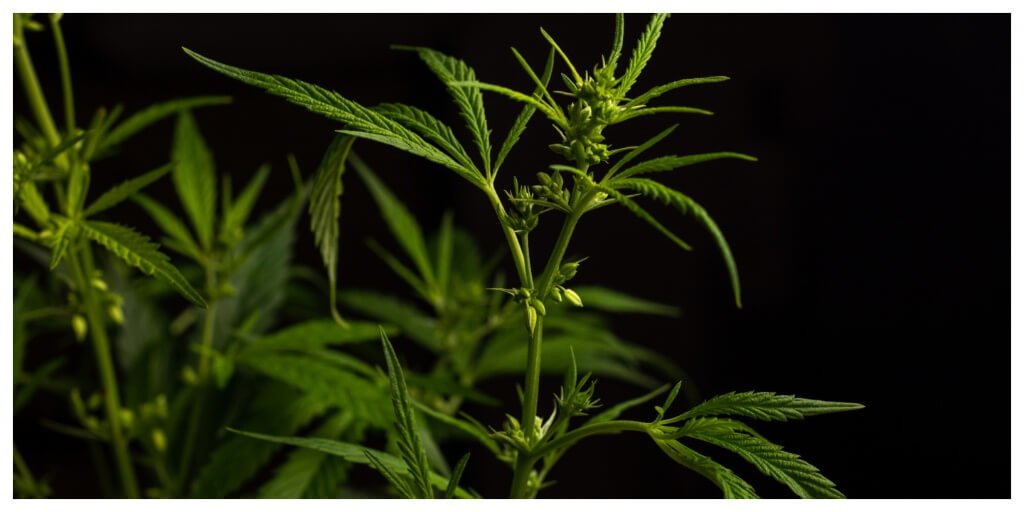
Male pre-flowers frequently manifest slightly earlier than their female counterparts. You’ll typically observe diminutive, spherical protrusions forming at the nodal junctions. These represent the nascent development of pollen sacs, the verdant, grape-resembling structures that will eventually mature into comprehensive clusters.
While easily overlooked during cursory inspections, these microscopic indicators serve as your preliminary warning signal. They lack any hair-like projections or pistils, and they become increasingly conspicuous once you’ve observed them repeatedly. Utilize magnification tools when necessary, particularly when working with genetic strains that exhibit slower developmental patterns.
Mature Male Flower Structures
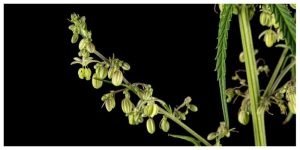
As the specimen progresses through maturation, male characteristics become unmistakably apparent. Rather than producing elongated, wispy pistils characteristic of female plants, males develop pendulous sacs resembling miniature bananas. These sacs constitute the plant’s stamen structures, containing pollen within their chambers.
Upon reaching maturity, these structures open to discharge pollen, which possesses nearly weightless properties and demonstrates remarkable capability for traveling across cultivation rooms, or even between entirely separate spaces, through ventilation systems or inadvertent contact. This biological reality underscores why early removal remains critically important.
Female Plant Characteristics (Comparative Analysis)
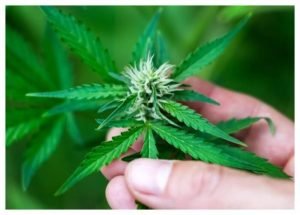
Female cannabis flowers develop elongated, hair-like structures scientifically known as pistils. These typically emerge as white filaments and subsequently darken into orange or reddish tones as maturation progresses. The flowers form compact clusters and eventually become thoroughly coated in trichomes, the sparkling resin glands that contain THC, CBD, and aromatic terpene compounds.
While early developmental growth may appear ambiguous, any pistil formation provides near-certain confirmation that you’re observing a female specimen. When uncertainty persists, continue monitoring for several additional days, but never permit a questionable male to remain in the cultivation space excessively long.
Buy Cannabis Online
The Impact of Environmental Stress Factors
Occasionally, a specimen deviates from expected developmental patterns. Stress factors, whether originating from irregular illumination cycles, temperature fluctuations, or inadequate airflow, can trigger hermaphroditism. This phenomenon means a plant initially developing as female may commence producing male characteristics, including pollen sacs.
Hermaphroditic specimens present a compounded threat. They superficially resemble healthy female plants, yet a single concealed sac can pollinate neighboring specimens before detection occurs. The most effective defense involves maintaining environmental stability and conducting regular, meticulous inspections, particularly throughout the flowering phase.
Subtle Indicators Beyond Flower Structures
Numerous additional clues exist beyond what’s developing at the nodal junctions:
Height and Structural Architecture: Male specimens frequently grow taller and exhibit more sparse branching patterns than females. Their biological focus centers on reproduction rather than flower density.
Leaf Spacing Patterns: Males characteristically display wider spacing between nodes, resulting in a more elongated, stretched appearance.
Growth Velocity: Males often develop at slightly accelerated rates. If one specimen grows noticeably taller than surrounding plants while displaying early indicators, subject it to additional scrutiny.
These indicators aren’t infallible, but when combined with comprehensive flower inspection, they facilitate more expedient decision-making.
Common Mistakes Cultivators Make (and Strategic Avoidance Methods)
Confusing Pistils with Pollen Sacs
This represents a prevalent novice error: mistaking immature pollen sacs for early pistil development. Both structures appear small and green during initial observation, but only pistils possess those characteristic hair-like strands. Pollen sacs maintain smooth, rounded surfaces.
Delaying Inspection Too Long
Some cultivators assume they can postpone examination until the plant exhibits “obvious” sexual characteristics. By the time identification becomes unmistakable, pollen may already be circulating through the air. Commence regular inspections immediately as your specimens enter pre-flowering stages.
Overlooking Hermaphroditic Development
Numerous growers (particularly beginners) remain unaware that hermaphroditism represents a genuine possibility. A stressed specimen displaying predominantly female traits can still develop pollen sacs. Detecting this condition early demands a trained observational eye and ongoing vigilant inspection.
Relying Exclusively on Size Indicators
While male plants frequently grow taller, this pattern doesn’t hold universally. Avoid basing identification solely on height measurements. Allow the nodal structures and flower sites to provide definitive evidence.
Preventing Pollination Before Contamination Occurs
Once you’ve identified a male specimen, or even a hermaphrodite bearing pollen sacs, immediate separation becomes imperative.
Remove It Immediately: Don’t postpone action for a day or two. Relocate it to substantial distances from any flowering female specimens.
Avoid Physical Disturbance: If you agitate a mature male plant, you risk releasing pollen into the surrounding atmosphere.
Sanitize Your Equipment: Thoroughly wash your hands and tools following handling to prevent inadvertent pollen transfer to other specimens.
In controlled cultivation environments, even a solitary pollen release can impact everything in proximity. Prevention demands precision and urgency.
Timing and Documentation for Superior Decision-Making
A strategic approach? Maintain a fundamental timeline or cultivation chart to track specimen development. Understanding when to anticipate sexual trait emergence makes inspections more effective and considerably less stressful. Over time, you’ll recognize patterns in how your specific genetic strains behave; some reveal characteristics early, others require extended observation periods.
Buy Cannabis Online
Documenting growth not only facilitates more confident male identification but also enhances your expertise for future cultivation cycles, even if you’re merely observing or advising fellow enthusiasts.
Essential Tools to Enhance Accuracy
You don’t require elaborate laboratory equipment, but several straightforward tools can significantly sharpen your observational capabilities:
Magnifying lens or jeweler’s loupe: Facilitates close-range pre-flower inspection.
Cultivation notebook or plant identification tags: Enables tracking of suspicions or developing characteristics.
Controlled illumination: Makes inspections considerably easier with quality, unobstructed lighting. Shadows conceal critical indicators.
These tools aren’t mandatory requirements, but they substantially reduce guesswork and help you identify issues before they proliferate.
Why Identifying Male Cannabis Plants Matters (Even for Non-Cultivators)
At initial consideration, identifying male cannabis specimens might appear exclusively relevant to dedicated cultivators. However, the reality is that comprehending this aspect of cannabis cultivation directly impacts everyone who values flower quality, whether you’re cultivating, curating collections, or simply consuming.
Seeds in Your Cannabis? Here’s the Explanation
Every cannabis enthusiast has, at some juncture, opened a bud only to discover seeds where premium, potent flower should have existed. What causes this disappointing outcome? Most frequently, it results from unintended pollination, which occurs when a male plant evades detection and releases pollen onto nearby female specimens. The consequence: instead of concentrating on resin and cannabinoid production, the female plant redirects energy toward seed generation.
The outcome isn’t subtle. Seeded cannabis characteristically exhibits:
- Diminished potency levels
- Harsh, unpleasant smoking characteristics
- Reduced aromatic and flavor profiles
- Compromised shelf life and storage stability
Even a single overlooked male specimen can compromise an entire cultivation room or commercial crop, whether it’s a residential backyard setup or a professional facility.
Male Plants: Understanding the Chain Reaction
When pollination transpires, it’s not merely about the individual affected flower; it can disrupt the entire production chain. Cultivators experience yield losses. Dispensaries receive inferior-quality flower. Consumers encounter mediocre experiences. And ultimately, nobody benefits.
This explains why commercial cultivators invest substantially in early detection methodologies and sexing techniques, ensuring that by the time buds reach a Canna Center Dispensary evaluation or your grinder, they’re dense, frosty, and completely seed-free.
Clarity for the Inquisitive Consumer
If you’re not cultivating your own specimens, why should male versus female traits concern you? Because understanding these botanical nuances transforms you into a more discerning cannabis enthusiast. You’ll develop the ability to:
- Instantly identify a seeded flower (and avoid purchasing it)
- Comprehend why certain genetic strains exhibit superior appearance or aromatic profiles
- Appreciate the behind-the-scenes expertise that produces premium flowers
- Hold your suppliers or dispensaries accountable to elevated quality standards
Cannabis represents a remarkably complex botanical specimen, and even fundamental comprehension of its biology helps distinguish average products from truly exceptional ones.
Contemplating a Home Cultivation Project?
If you’re even moderately curious about attempting home cultivation in the future, learning to identify male cannabis traits represents the foundational step in avoiding rookie mistakes. It’s natural to develop attachment to every specimen, but when protecting your yield becomes paramount, you’ll need to make difficult decisions.
The earlier you can identify a male specimen, the lower your pollination risk. And with proper observational training, you don’t require years of experience to execute this correctly.
Comprehensive Summary
Male cannabis specimens serve an invaluable role in breeding programs, but if your objective centers on quality flower production, they don’t belong in your cultivation space. By mastering the physical characteristics of male plants, you’ll successfully protect your crop’s cannabinoid content, aromatic profile, and overall value. Here’s a concise summary to reinforce what to monitor:
- Male plants display early indicators between three to six weeks of growth, frequently appearing initially at the nodes as small, green grape-like pre-flowers without any white hair-like structures.
- As males reach maturity, they develop banana-shaped pollen sacs that open to discharge pollen, which can travel through air currents and fertilize female specimens in proximity.
- Female plants exhibit white, hair-like pistils at the nodal junctions and subsequently develop dense clusters of resinous buds thoroughly covered in trichomes.
- Environmental stress factors can induce hermaphroditism, where female plants commence producing male pollen sacs, presenting a concealed risk to your entire cultivation operation.
- Male plants characteristically grow taller and exhibit wider spacing between leaves, but these traits alone aren’t reliable indicators. Always confirm through meticulous flower site inspection.
- Consistent and early inspection remains essential; waiting excessively long or relying on size measurements can result in accidental pollination.
- Once a male or hermaphroditic specimen is identified, remove it immediately and avoid disturbing the plant to prevent pollen discharge.
- Understanding male versus female plants isn’t exclusively for cultivators; knowing the distinction helps consumers identify seeded buds and appreciate the expertise behind high-quality cannabis.
By maintaining vigilance, acting decisively, and paying meticulous attention to detail, you protect the potency, aromatic characteristics, and yield of your cannabis. The more refined your observational skills, the superior your harvest results.
